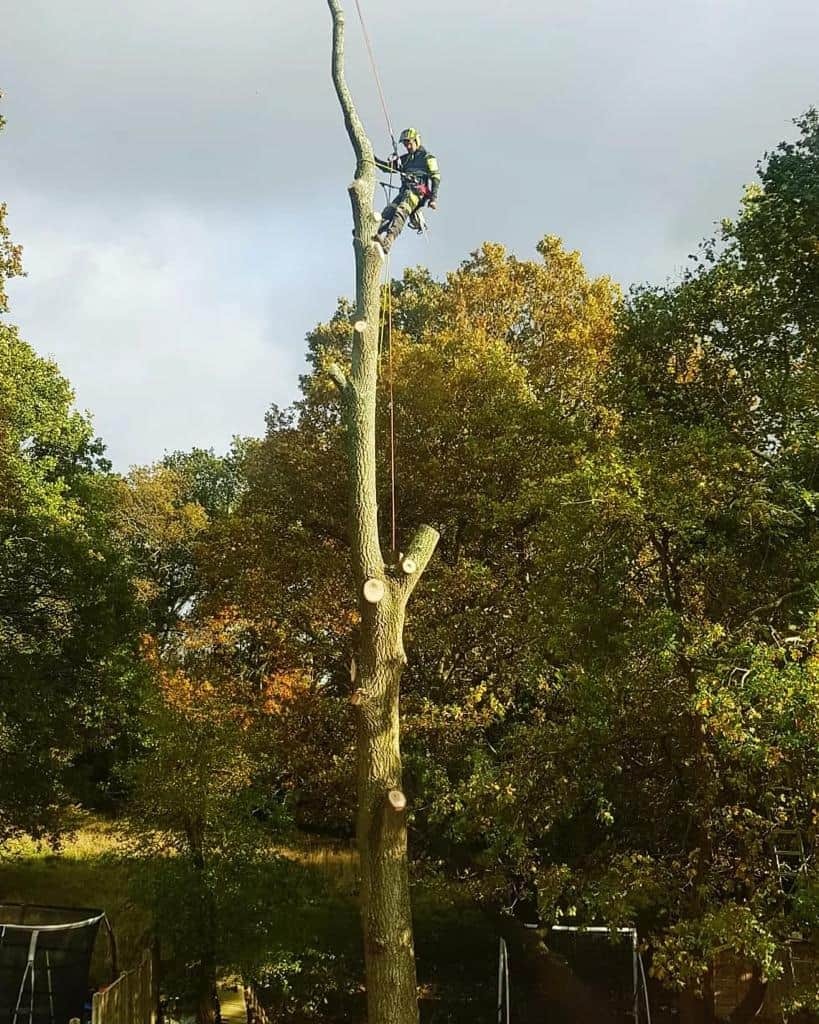
Trees are valuable assets that enhance gardens, provide shade and contribute to the overall character of a landscape. In most situations, professional tree surgery techniques such as pruning, crown reduction or reshaping can successfully manage tree-related issues while preserving the tree itself. However, there are circumstances where tree felling becomes the most practical and responsible solution.
For homeowners in Hedge End, Hampshire, understanding when tree felling is appropriate can help protect property, improve safety and maintain the health of the surrounding landscape.
Tree Felling Is Not Always the First Option
Professional tree surgeons will typically explore alternative solutions before recommending complete removal.
Depending on the situation, alternatives may include:
- Crown reduction
- Crown thinning
- Deadwood removal
- Structural pruning
- Tree reshaping
These techniques can often address concerns while retaining the tree. However, some situations require a more permanent solution.
Severe Structural Damage
Trees that have suffered significant structural damage may pose an ongoing risk.
Common causes include:
- Storm damage
- Major limb failure
- Splitting trunks
- Severe decay
When the structural integrity of a tree is compromised beyond practical repair, felling may be the safest option.
Extensive Disease or Decay
Trees can sometimes be affected by diseases or internal decay that weaken their structure and reduce their long-term viability.
Warning signs may include:
- Large areas of dead growth
- Hollow sections within the trunk
- Significant fungal growth
- Progressive canopy decline
In cases where the tree’s health has deteriorated substantially, removal may be necessary to prevent future hazards.
Trees That Present a Safety Risk
Safety is one of the most important considerations in tree management.
A tree may require felling if it presents a risk to:
- Homes and buildings
- Driveways and pathways
- Garden structures
- People using the surrounding area
Trees that show signs of instability or have a high likelihood of failure often require prompt professional assessment.
Trees Growing in Unsuitable Locations
Some trees outgrow their surroundings and begin causing ongoing problems.
Examples include trees that:
- Grow too close to buildings
- Obstruct access routes
- Interfere with garden use
- Create excessive crowding within the landscape
Where long-term management is no longer practical, tree felling may offer the most effective solution.
Irreparable Storm Damage
Strong winds and severe weather can sometimes leave trees beyond recovery.
Damage may include:
- Uprooting
- Major trunk fractures
- Extensive canopy loss
- Dangerous leaning
In these circumstances, removal is often necessary to restore safety and prevent further issues.
Improving the Health of Surrounding Trees
In some cases, a single problematic tree can negatively affect neighbouring vegetation.
An overcrowded tree may:
- Restrict sunlight
- Compete for nutrients
- Limit airflow
- Inhibit the growth of nearby plants
Strategic removal can improve conditions for healthier trees and landscaping features.
Dead Trees Should Not Be Ignored
A dead tree may remain standing for some time, but it becomes increasingly unstable as deterioration progresses.
Dead trees can:
- Drop branches unexpectedly
- Become structurally weak
- Present hazards during adverse weather
Removing a dead tree often reduces risk and improves overall garden safety.
Supporting Future Landscape Improvements
Tree felling is sometimes part of a broader landscape management strategy.
Removing an unsuitable or declining tree can:
- Create more usable garden space
- Improve natural light levels
- Enhance planting opportunities
- Allow for a more balanced landscape design
When carefully planned, tree removal can contribute positively to the long-term appearance and functionality of the property.
The Importance of Professional Assessment
Determining whether a tree should be removed requires experience and specialist knowledge.
Professional tree surgeons assess:
- Structural condition
- Tree health
- Location and surroundings
- Potential risks
- Available management alternatives
This ensures tree felling is only recommended when it is genuinely the most appropriate solution.
Why Choose LM Tree Surgery Hedge End?
At LM Tree Surgery Hedge End, we provide expert tree surgery and tree felling services throughout Hedge End, Hampshire. Our experienced team carefully assesses every tree and recommends the most suitable course of action, whether that involves preservation, maintenance or safe removal. We focus on delivering professional workmanship while helping homeowners maintain safe, attractive and well-managed outdoor spaces.
Conclusion
Tree felling is not always necessary, but there are situations where it becomes the safest and most practical solution. Severe damage, advanced disease, structural instability and unsuitable positioning are among the most common reasons why removal may be recommended.
For homeowners in Hedge End, Hampshire, professional assessment is the best way to determine whether a tree can be preserved or whether felling is the most responsible option. If you have concerns about a problem tree on your property, LM Tree Surgery Hedge End can provide expert advice and tailored tree care solutions to help protect your landscape and ensure long-term safety.
Call us on: 01489 359 998
Click here to find out more about LM Tree Surgery Hedge End
Click here to complete our contact form and see how we can help with your tree needs.