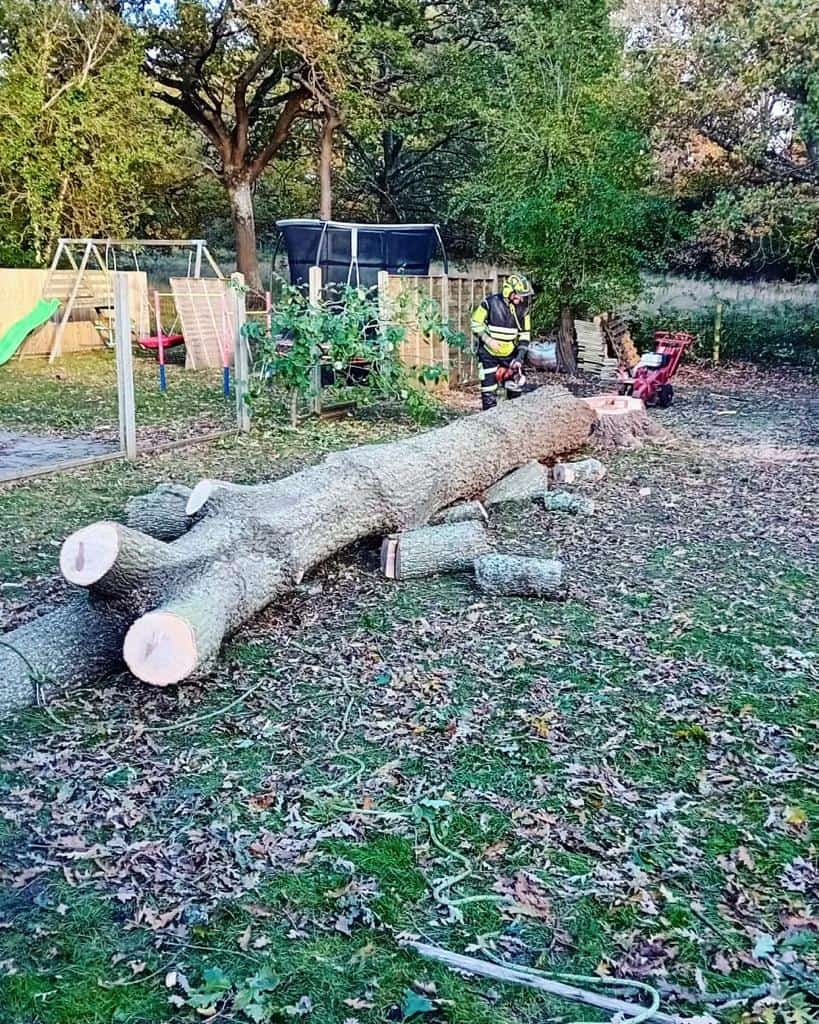
A well-maintained hedge can add privacy, structure and natural beauty to a garden. Whether it forms a boundary, frames a driveway or separates different areas of an outdoor space, regular care helps keep it looking tidy while supporting healthy growth. Without appropriate maintenance, hedges can become overgrown, develop uneven shapes or suffer from overcrowded branches.
For homeowners in Hedge End, Hampshire, understanding the basics of hedge maintenance can make it easier to keep garden boundaries in good condition throughout the year. With the right trimming techniques and seasonal care, you can encourage a healthier hedge while maintaining an attractive outdoor space.
Why Is Regular Hedge Maintenance Important?
Hedges provide more than a decorative boundary. They can offer privacy, reduce the visual impact of nearby surroundings and provide shelter for birds and other wildlife. However, maintaining these benefits requires attention to growth, density and overall condition.
Regular maintenance helps prevent excessive growth from obstructing paths, driveways and entrances. It also allows problems such as bare patches, damaged branches and signs of disease to be identified before they become more difficult to manage.
The ideal maintenance routine depends on the hedge species, its age, growth rate and intended purpose. A formal evergreen hedge may need a different approach from a flowering or wildlife-friendly hedge, so understanding the plants you have is an important first step.
Practical Hedge Maintenance Tips
Trim Your Hedge at the Right Time
Timing is important when trimming a hedge. Fast-growing species may need attention more frequently, while slower-growing hedges can often be maintained with fewer cuts.
The best time to trim depends on the plant species and the result you want to achieve. Formal hedges are generally trimmed to maintain their shape, whereas flowering hedges may need pruning after flowering to avoid removing developing flower buds.
Before trimming, check the hedge for active bird nests and avoid disturbing nesting wildlife. If you are unsure when a particular hedge should be cut, professional advice can help you choose an appropriate maintenance schedule.
Maintain an Even Shape
A hedge can quickly become untidy when some sections grow faster than others. To maintain a consistent appearance, trim gradually and use the existing outline as a guide rather than cutting back large sections unnecessarily.
For many formal hedges, a slightly wider base than top helps sunlight reach the lower foliage. This can reduce the likelihood of the bottom becoming sparse while the upper growth remains dense.
Avoid cutting too deeply into old, bare wood unless the species responds well to renovation pruning. Some evergreen hedges do not readily produce new growth from older sections, and severe cutting may leave permanent gaps.
Remove Dead and Damaged Branches
Dead, diseased or broken branches can affect the appearance and condition of a hedge. Removing affected growth where appropriate helps keep the hedge tidy and allows you to inspect the remaining plants more easily.
Look for unusual discolouration, persistent dieback, damaged stems or areas where growth has become noticeably thin. These symptoms can have several causes, including poor growing conditions, disease or overcrowding.
If the same problem continues to spread, identify the cause before applying treatments or cutting away large sections. Unnecessary pruning may place additional stress on an already weakened hedge.
Water New Hedges During Dry Periods
Newly planted hedges need consistent moisture while their roots establish. During dry weather, the soil may dry out quickly, particularly around young plants that have not yet developed extensive root systems.
Water the soil around the base of the hedge when necessary, allowing moisture to reach the root zone rather than relying on a brief surface spray. Applying a suitable organic mulch can help retain moisture and reduce competition from weeds, provided it is kept away from direct contact with plant stems.
Established hedges are generally more resilient, but prolonged dry conditions can still affect their growth and appearance.
Check Soil and Growing Conditions
Healthy hedge growth depends on suitable soil conditions, adequate moisture and access to light. If sections of a hedge repeatedly struggle, consider whether the soil is compacted, drainage is poor or nearby plants are competing for water and nutrients.
Avoid adding fertiliser without understanding what the hedge needs. Excessive feeding can encourage soft, rapid growth that requires more frequent trimming without necessarily improving the plant’s overall condition.
Where growth remains poor despite routine care, a closer assessment can help identify the underlying issue.
Keep Hedge Bases Clear of Excessive Weeds
Weeds growing around the base of a hedge can compete for moisture and nutrients, particularly when the plants are young. Keeping the surrounding soil reasonably clear helps reduce this competition and makes it easier to monitor the condition of the stems.
Take care when removing weeds near established roots, as aggressive digging can damage the root system. Mulching can help suppress weeds and support more consistent soil moisture when applied appropriately.
Common Hedge Maintenance Mistakes to Avoid
One common mistake is cutting a hedge too severely in an attempt to restore its shape quickly. This can leave gaps, expose bare wood or weaken plants that do not respond well to hard pruning.
Another is trimming every hedge at the same time, regardless of species or flowering cycle. Different plants have different growth patterns, and inappropriate timing can reduce flowering or damage developing growth.
It is also important not to overlook the hedge’s base. A neat upper outline may hide thinning lower branches, dry soil or signs of disease that need attention.
A consistent, considered approach is generally more effective than infrequent, heavy cutting.
When Should You Arrange Professional Hedge Cutting?
Routine trimming may be manageable for small hedges, but professional assistance can be useful when boundaries have become overgrown, plants are tall or dense, or the hedge requires significant reshaping.
A tree surgery professional can assess the hedge’s condition, recommend suitable pruning techniques and help maintain a balanced appearance without unnecessary cutting. Professional support is particularly valuable when access is difficult or the hedge contains substantial woody growth.
For homeowners in Hedge End, Hampshire, regular hedge cutting and maintenance can help keep outdoor spaces manageable while supporting the long-term condition of established boundaries.
Hedge Maintenance Services in Hedge End, Hampshire
Keeping a hedge neat involves more than cutting back its outer growth. Appropriate timing, careful shaping, removal of damaged branches and attention to growing conditions all contribute to a healthier, more attractive boundary.
LM Tree Surgery Hedge End provides hedge maintenance and tree surgery services to help property owners manage overgrown hedges and maintain their outdoor spaces. If your hedge has become difficult to control or needs professional trimming, contact our team to discuss your requirements and arrange an assessment.
Conclusion
Regular hedge maintenance helps preserve a neat appearance, encourage healthy growth and prevent garden boundaries from becoming overgrown. By trimming at suitable times, removing damaged growth and paying attention to soil and moisture conditions, you can keep your hedge in better condition throughout the year.
For homeowners in Hedge End, Hampshire, professional hedge cutting can provide a practical solution when routine maintenance is no longer enough. LM Tree Surgery Hedge End can help you maintain an attractive, manageable outdoor space with care suited to your hedge’s condition and growth habits.
Call us on: 01489 359 998
Click here to find out more about LM Tree Surgery Hedge End
Click here to complete our contact form and see how we can help with your tree needs.