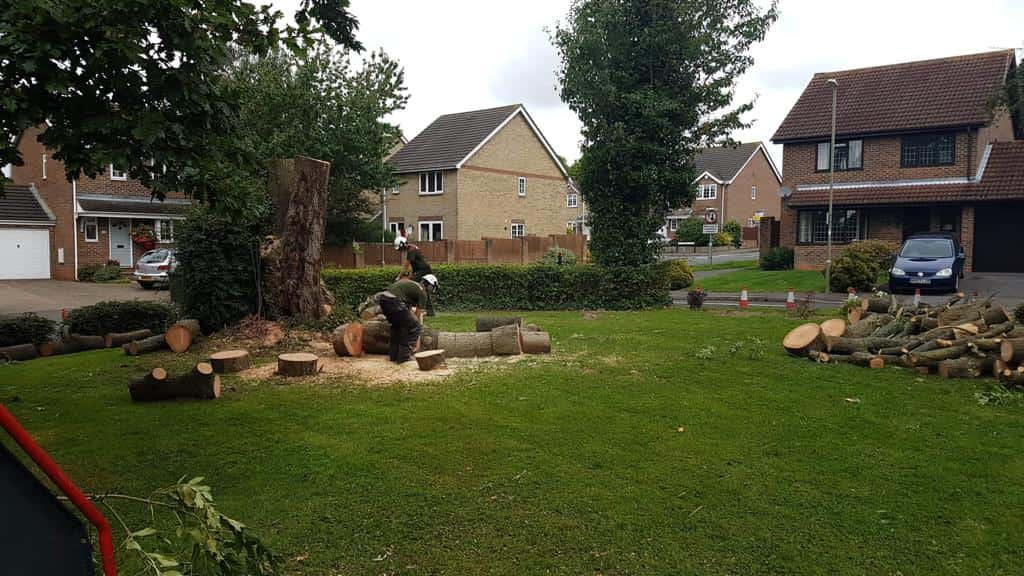
Preparing a garden for a new lawn or planting scheme involves more than simply removing weeds and levelling the ground. Old tree stumps can create hidden obstacles that make landscaping work more difficult and prevent homeowners from making full use of their outdoor space. Even when a tree has been removed, the remaining stump and its root system can continue to affect the ground for years.
Clearing unwanted stumps before starting a landscaping project helps create a more suitable foundation for new grass, plants and garden features. For homeowners in Hedge End, Hampshire, professional stump removal can make garden preparation more straightforward while helping achieve a cleaner and more practical outdoor layout.
Why Stump Removal Is Important Before Landscaping
Creating a Clear Surface for New Lawn Installation
A level, unobstructed surface is essential when preparing ground for a new lawn. Old stumps can interrupt the natural shape of the garden, making it difficult to distribute topsoil evenly or prepare the ground for turf and grass seed.
If a stump is left in place, the surrounding area may need to be worked around, resulting in an uneven finish. Remaining roots can also interfere with ground preparation, particularly where they sit close to the surface.
Removing the stump before landscaping allows the area to be cleared and prepared more effectively, helping create a consistent surface for new grass to establish.
Making Space for New Plants and Garden Features
Old stumps can restrict where homeowners are able to position flower beds, shrubs, trees, pathways and other garden features. Their presence may limit planting choices or make it difficult to achieve the layout originally planned.
Stump removal helps reclaim this space, giving homeowners greater flexibility when redesigning their gardens. It can be particularly useful when replacing an overgrown area with a new planting scheme or creating a more open lawn.
Clearing the stump also makes it easier to assess the available ground and decide how best to use the space.
Reducing Problems Caused by Decaying Wood
Once a tree has been felled, the remaining stump gradually begins to decay. Depending on the tree species and surrounding conditions, this process can take several years.
As the wood breaks down, it may attract wood-decaying fungi and insects. Although these organisms are often part of natural garden ecosystems, their presence may be undesirable close to planting areas or where homeowners want a neat, well-maintained lawn.
Removing an unwanted stump eliminates the main remaining section of decaying wood and helps prevent it from becoming an ongoing feature of the landscaped area.
Preventing Regrowth From Certain Tree Species
Some tree species can produce new shoots from a remaining stump or nearby roots after the main trunk has been cut down. These shoots may continue to appear, requiring repeated cutting and maintenance.
If the intention is to establish a new lawn or planting area, unwanted regrowth can become frustrating and interfere with the finished appearance of the garden.
Professional stump removal helps address the remaining stump more thoroughly. Where regrowth is a concern, the appropriate removal method can be selected according to the tree species and the condition of the remaining roots.
Making Garden Maintenance Easier
Stumps can create awkward obstacles when mowing grass, trimming borders or carrying out routine garden maintenance. Grass and weeds may grow around the base, making it difficult to achieve a neat finish.
Removing the stump helps create a more accessible surface and reduces the need to work around an obstruction. This can make regular lawn care and general garden upkeep easier once the landscaping project is complete.
Improving Ground Preparation and Planting Conditions
Old stumps and larger surface roots can interfere with digging, soil improvement and the positioning of new plants. They may occupy valuable space where roots from new shrubs or flowers need room to establish.
Stump grinding can remove the main visible stump and reduce the obstruction below ground level, although larger roots may remain and gradually decompose. If the area is intended for deeper planting or substantial landscaping work, the extent of root removal should be considered during preparation.
A professional assessment can help establish the most suitable approach for the intended use of the space.
Choosing Professional Stump Removal
The best method of stump removal depends on the stump’s size, species, position and surrounding conditions. Stump grinding is commonly used to reduce the remaining stump below ground level, allowing the area to be filled and prepared for future landscaping.
LM Tree Surgery Hedge End can assess unwanted stumps and recommend a suitable removal method based on the garden and the planned work. Professional equipment and careful preparation help minimise unnecessary disturbance to the surrounding area.
Conclusion
Clearing old stumps before installing a new lawn or planting helps create a more usable garden, improves access for ground preparation and removes obstacles that could interfere with future landscaping. It also helps address issues such as unwanted regrowth, decaying wood and difficult lawn maintenance.
For homeowners in Hedge End, Hampshire, arranging professional stump removal before beginning a garden improvement project can make the preparation process more effective. If an old stump is preventing you from making the most of your outdoor space, contact LM Tree Surgery Hedge End to discuss suitable stump removal services.
Call us on: 01489 359 998
Click here to find out more about LM Tree Surgery Hedge End
Click here to complete our contact form and see how we can help with your tree needs.